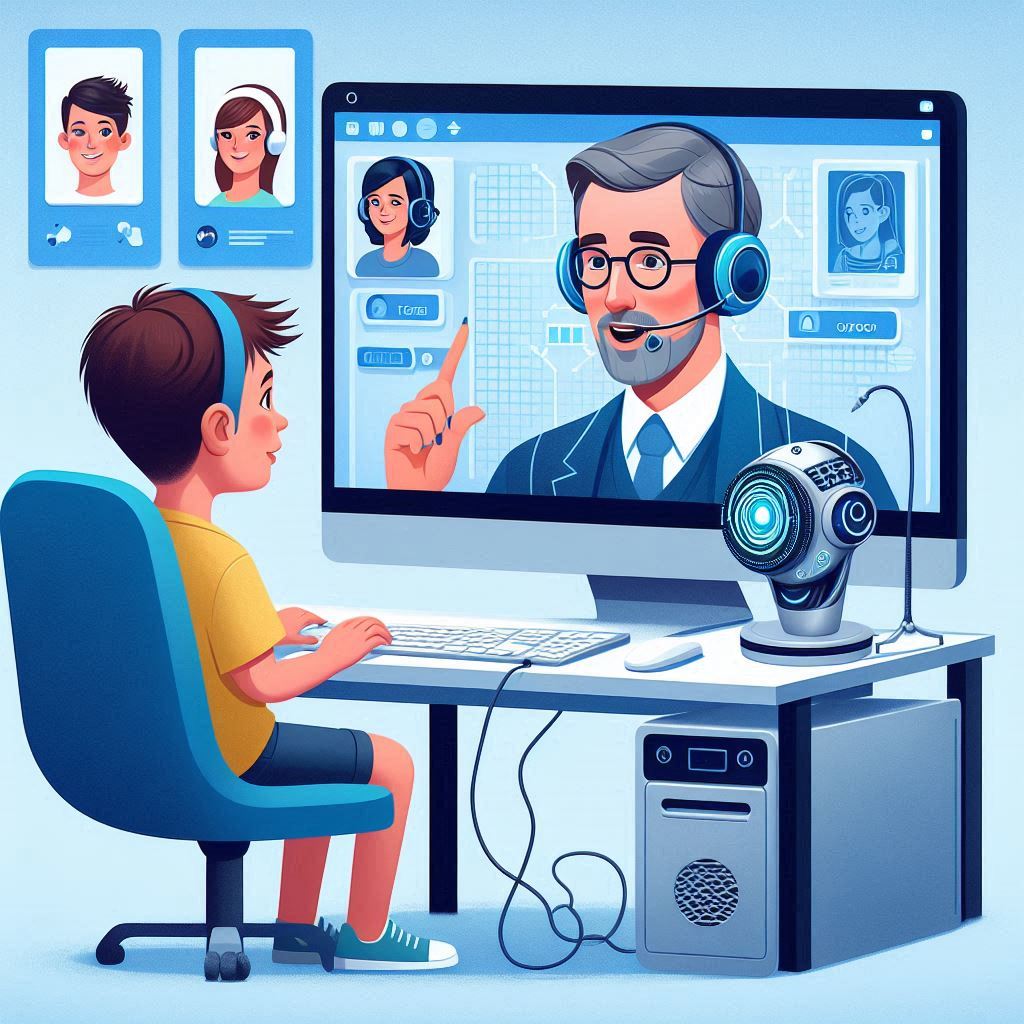
In recent years, the intersection of artificial intelligence and mental health has given rise to a revolutionary concept: AI therapy. This innovative approach uses machine learning algorithms and natural language processing to offer mental health support, often through chatbots, voice assistants, or mobile applications. While still in its early stages, AI therapy is rapidly changing the way people access psychological help, offering a new layer of support that is convenient, accessible, and stigma-free.
At its core, AI therapy involves digital platforms that simulate human-like conversation and provide therapeutic interventions based on psychological principles. Tools like Woebot, Wysa, and Youper are examples of AI-driven mental health applications that guide users through exercises based on cognitive behavioral therapy (CBT), mindfulness, and emotional tracking. These AI therapists are designed to help users identify thought patterns, manage stress, and build emotional resilience—all without the need for a human therapist on the other end.
One of the key advantages of AI therapy is its accessibility. Many people face barriers when it comes to seeking mental health care, whether due to financial constraints, geographic limitations, long wait times, or the fear of stigma. AI tools, however, are available 24/7, often at low or no cost, and provide a private, judgment-free space for people to express themselves. For individuals who are hesitant to open up to a human therapist, talking to an AI can feel less intimidating.
Despite its benefits, AI therapy is not without limitations. These tools are not designed to replace licensed professionals, especially for complex mental health conditions such as severe depression, bipolar disorder, or PTSD. They lack the depth of human empathy, clinical judgment, and the nuanced understanding that comes from years of experience. However, they can serve as a valuable complement to traditional therapy, offering support between sessions or reaching individuals who might not otherwise seek help.
The technology behind AI therapy is constantly evolving. Natural language processing allows these systems to understand context, tone, and sentiment, enabling them to respond in ways that feel more conversational and supportive. With further advancements, future AI therapists may be able to detect subtle signs of emotional distress or cognitive decline and refer users to human professionals when necessary.
Privacy and ethics also play a significant role in the development of AI therapy. Users must trust that their conversations are secure and confidential. Developers must be transparent about data usage and build systems that prioritize user safety, especially in crisis situations.
In the coming years, AI therapy is likely to become a vital part of the mental health ecosystem. While it won't replace human therapists, it offers a promising tool for early intervention, emotional support, and mental wellness education. As awareness grows and the technology improves, AI therapy could empower millions to take the first step toward better mental health—on their own terms, in their own time.